
Coronation Street Turns 65: Could This Iconic Soap Help You Discover Your Career in TV?
This week marks 65 years since Coronation Street first made it to our screens. As the world’s first and longest running soap, not only is it setting records, but it has also put Greater Manchester on the map.
Its popularity is all thanks to the drama it serves. The challenging storylines and memorable characters have turned the show into what we know it as today: nothing short of iconic.
But the show would not have reached icon status without all the people that worked to create it.
Perhaps you’ve wondered about a career in TV, but you’re not sure what that would look like.
That’s why we’re taking a look at all of the different areas of TV production, and the roles within them, so you can find the perfect job for you. Read on to get inspired about how you could be part of the next generation of television!
Actor
When you’re thinking about TV, actors are often the first people we think of. Maybe you love performing or have a natural flair for the dramatic. If so, acting is one way of getting into the industry.
You could look at a BTEC in Performing Arts to kickstart your creative career as an actor.
Writer
Lots of people discover the arts through performance. Many of those who work behind the scenes start their careers as actors because that experience gives them in depth knowledge of the industry. This includes writers too!
Screen writers work as a part of a larger team to think of engaging storylines, develop existing plots and ensure the voices and actions of the characters are specific to them and feel real.
Perhaps you’ve got a vivid imagination or enjoy the process of creating stories. If you aspire to write creatively for a living, there are different routes to do this. It all depends on what you want to do.
You could study Literature at A Level, or if you’re looking to write for screen, a T Level in Media, Broadcast and Production is a great way to understand what is required of screen writers.

Producer
A producer is a type of manager who is responsible for a huge variety of tasks. They might be scouting for a location for a particular scene or deciding how the budget for the show is being spent. They can also be involved in the creation of storylines. They are an overseer of all that goes on at every stage of TV development.
Experience and knowledge of producing is really valued, so choosing a course that can give your hands on experience is beneficial for anyone looking to find their start. This is why a T level in Media, Broadcast and Production can be so useful.
Crew
Working as a part of the crew can refer to a variety of different jobs. You’ve got the directors who oversee the creative direction of the shoot. To help them achieve the creative vision, there’s assistant directors and runners on set to ensure that things are running smoothly.
The photography team, who are in charge of the videography, includes the camera operators, electrical team and those responsible for lighting. There’s also sound operators and script supervisors who are make sure the continuity of the plot is protected, by ensuring everyone’s saying their lines right or intervening if any plot changes are made that don’t align with the story.
In addition to a T Level, apprenticeships are great way to find your start in the industry. You might be after a more generalised apprenticeship, however there’s plenty of specific schemes that allow you to work in the role that interests you.
Websites like the UK Screen Alliance and production companies advertise apprenticeships and other entry level opportunities, so check them out.
Art Department
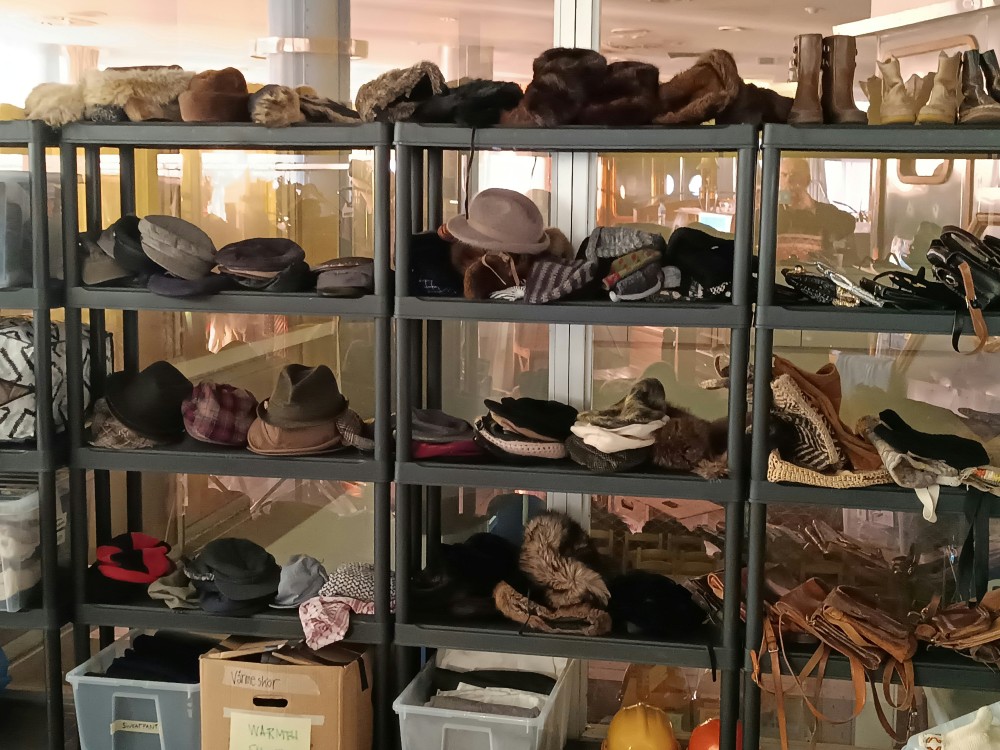
Being in the art department means you’re responsible for all things visual. This can range from set design to the props used by the actors as well as the actors’ hair and makeup. Deciding what makeup, hair and costume the characters will wear is an easy way for audience to understand who they are. The tv and film industry depend on the art department quite frequently to present the world they’ve created without having to explain it to the audience through the dialogue.
Those working within the art department will also be present on set to make sure everything goes to plan!
If you think you’d enjoy bringing a story to life visually, by choosing to do a T level in Craft and Design, you could build the skills you need to develop into a career in screen. Again, apprenticeships are another popular route as they give you the chance to network and gain experience.
Editing
Now that all the footage has been captured, it is the job of an editor to bring the story together. They choose the best footage, stitch together the scenes and make changes when needed. This would include things like adding sound, music, or even removing background noise.
Using the script as a guide to bring the story to life, they would regularly consult with the team to ensure that the story is being told in the way the director imagined.
Like the other roles, T Levels and apprenticeships are a great way to get into a post-production role.
Other support
A career in media doesn’t always mean a creative career! It takes a lot of different people to make sure that a TV show is run efficiently.
There are people who work in finance, making sure that people are being paid and that money is being distributed to the right departments. There’s a legal team who deal with contracts and advise on any legal issues. There are even medics on set when there’s dangerous scenes being filmed.
The business team helps with the administrative tasks that need doing, and the marketing of the show. Marketing roles can be more creative, as you might be responsible for an advert you see on billboard or on social media.
Where could you fit in?
This blog has focused on some of the roles within TV. However, depending on the production there are even more job roles you can explore.
Jobs like casting, animation or music composition are just some of the other pathways you can pursue. Research what’s out there to find your future role – check out the Beeline page on Creative, Culture and Sport to find out more.
Remember the creative industry needs diversity within its workforce to create productions that really resonate, it can competitive but if it’s your dream to work in TV – go for it. Your voice deserves to be heard.